Modular Phone Case
A three-part product architecture using snap-fit and press-fit interfaces to combine protection, grip, modularity, and a camera privacy feature.
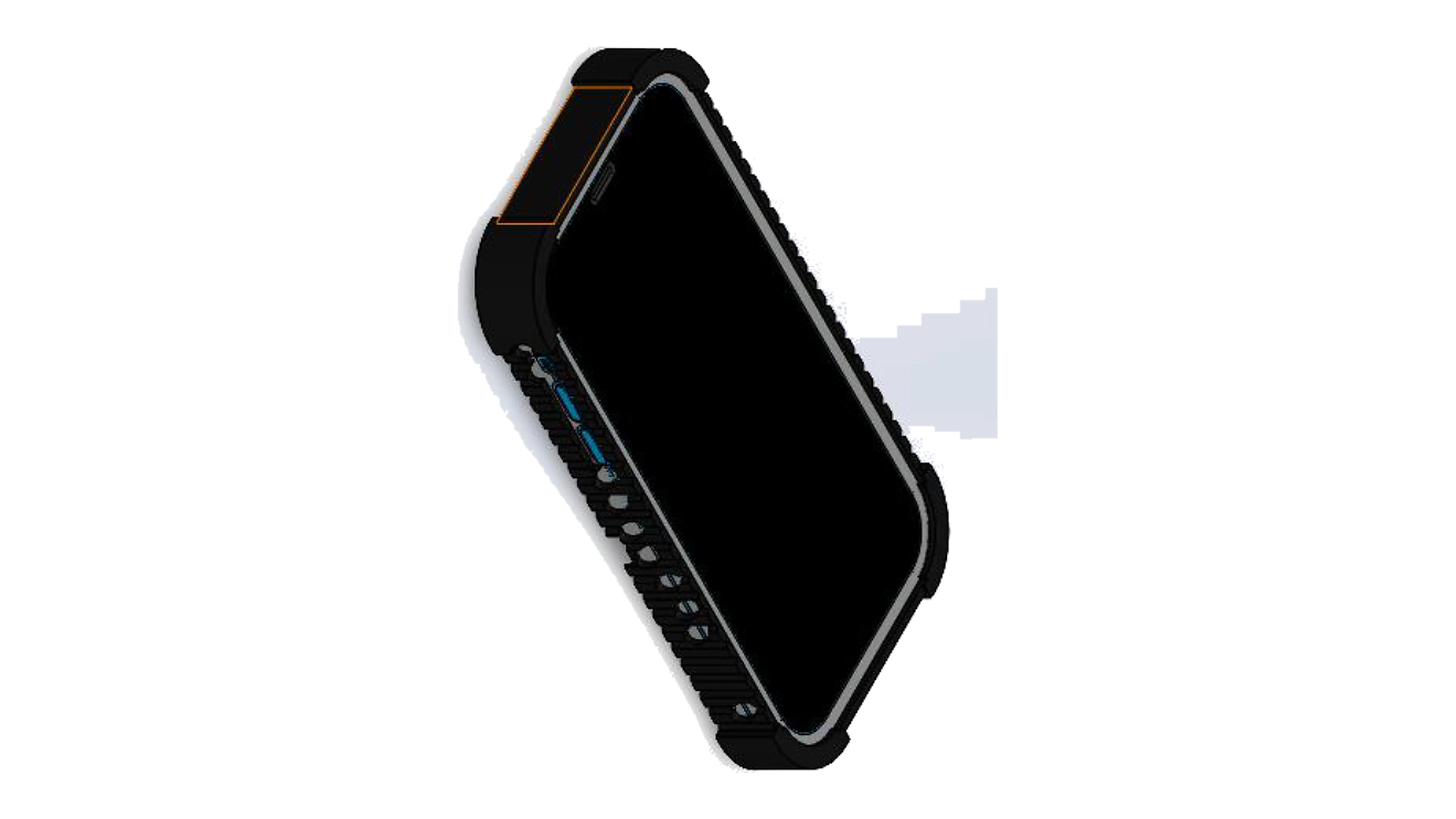
Assembly is part of the design.
The case study is organized component by component so each design decision can be seen independently—no four-image collage.
The source material supports a three-part architecture: inner case, outer shell, and camera slider.
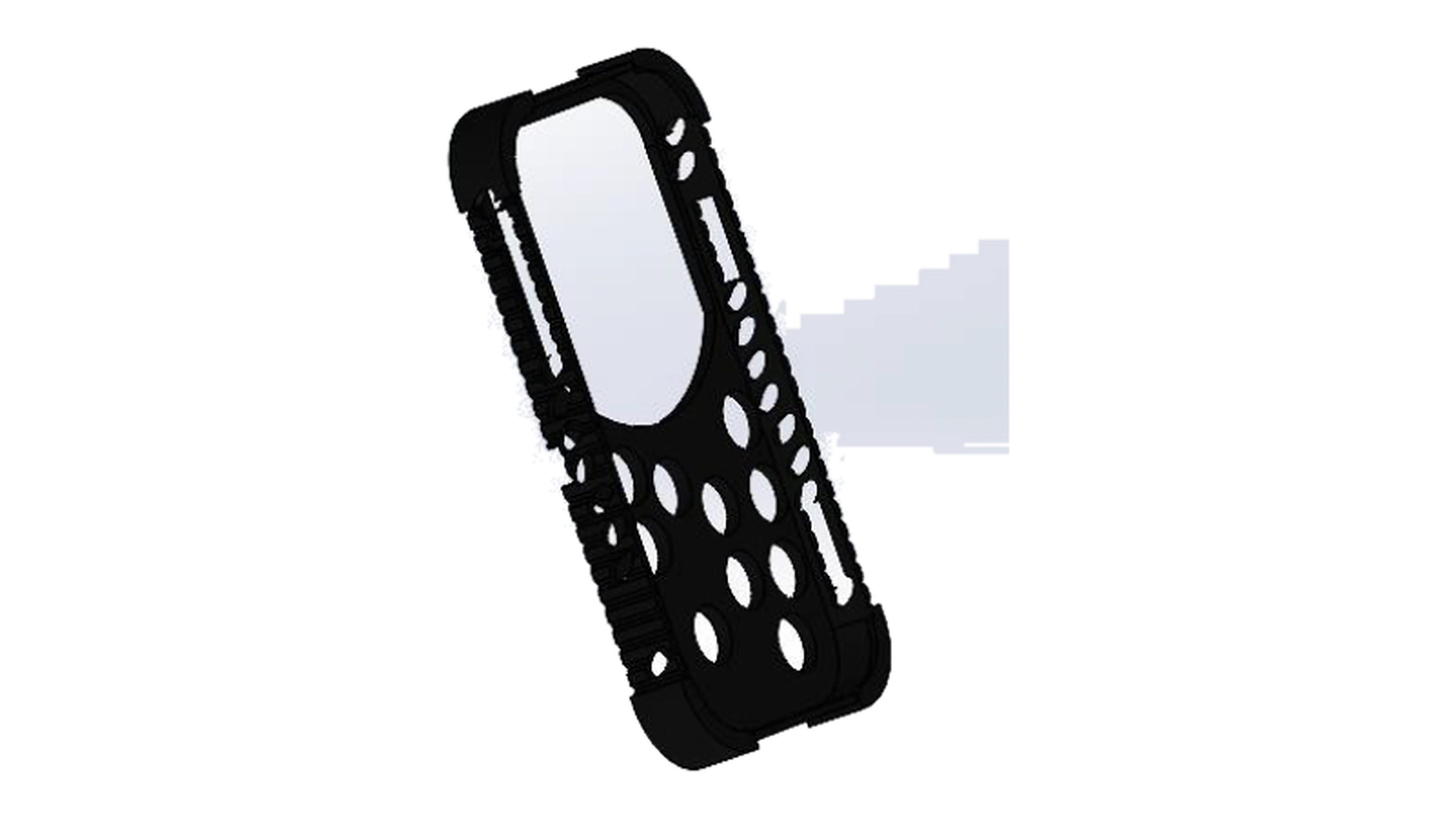
Start with the protective outer architecture.
The perforated outer shell provides the modular protective layer and side-grip concept.
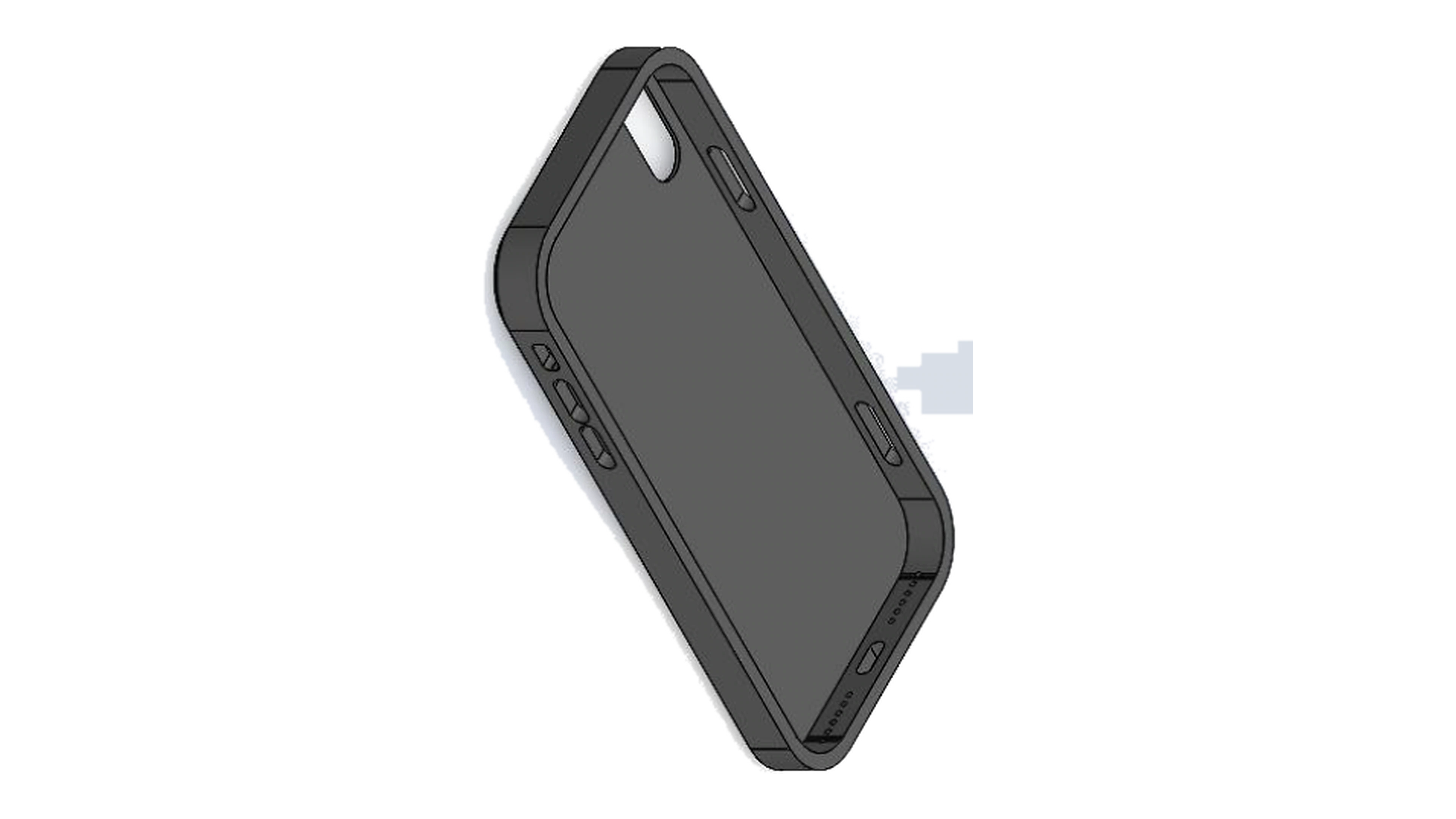
Create the phone-fitting base.
The inner case is responsible for primary phone fit and supports the interface used by the slider feature.
Bring the shell and inner case together.
The architecture uses a snap-fit relationship rather than screws or loose fasteners.
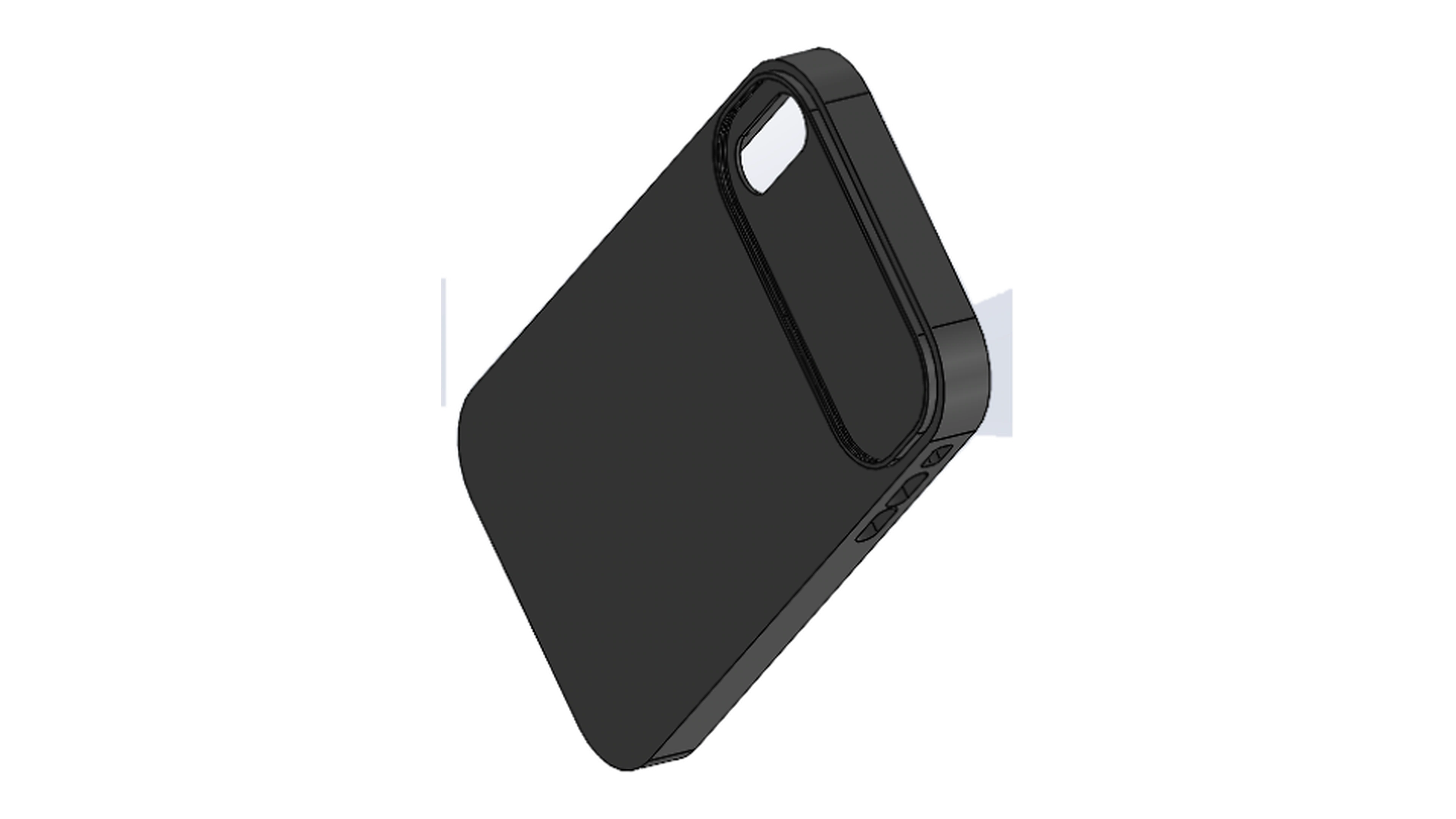
Add the privacy feature as a separate component.
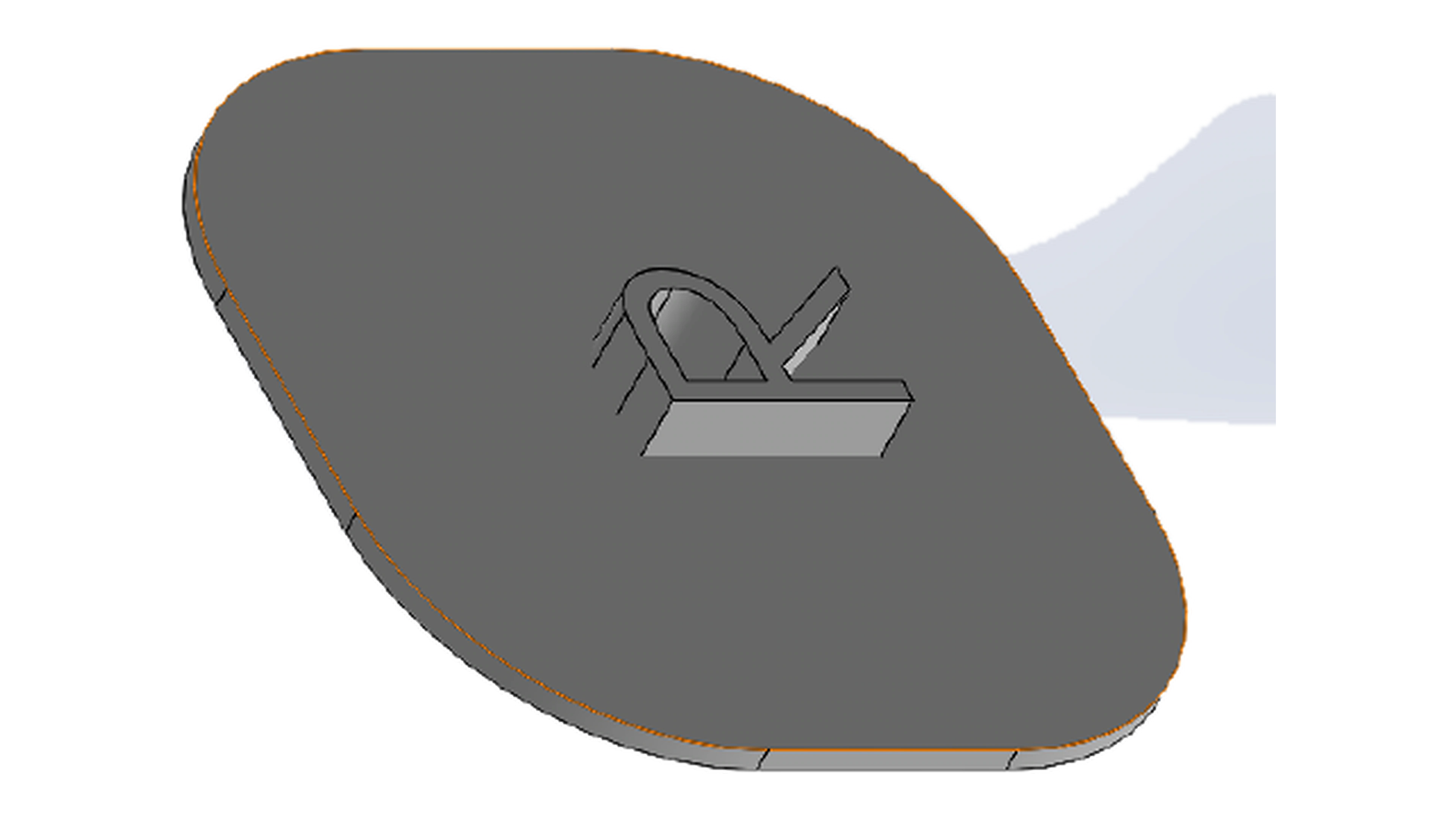
The camera slider press-fits into the inner-case slot and moves to cover the camera.
Review the assembled product.
The three-part system combines the inner case, optional protective shell, and camera slider into a single product architecture.
Total parts. No conventional fasteners.
The concept minimizes part count and assembly steps through snap-fit and press-fit interfaces.
The portfolio identifies tolerance/fit study, drop and impact testing, and material/process selection as future validation activities. They remain clearly labeled as next steps rather than completed tests.